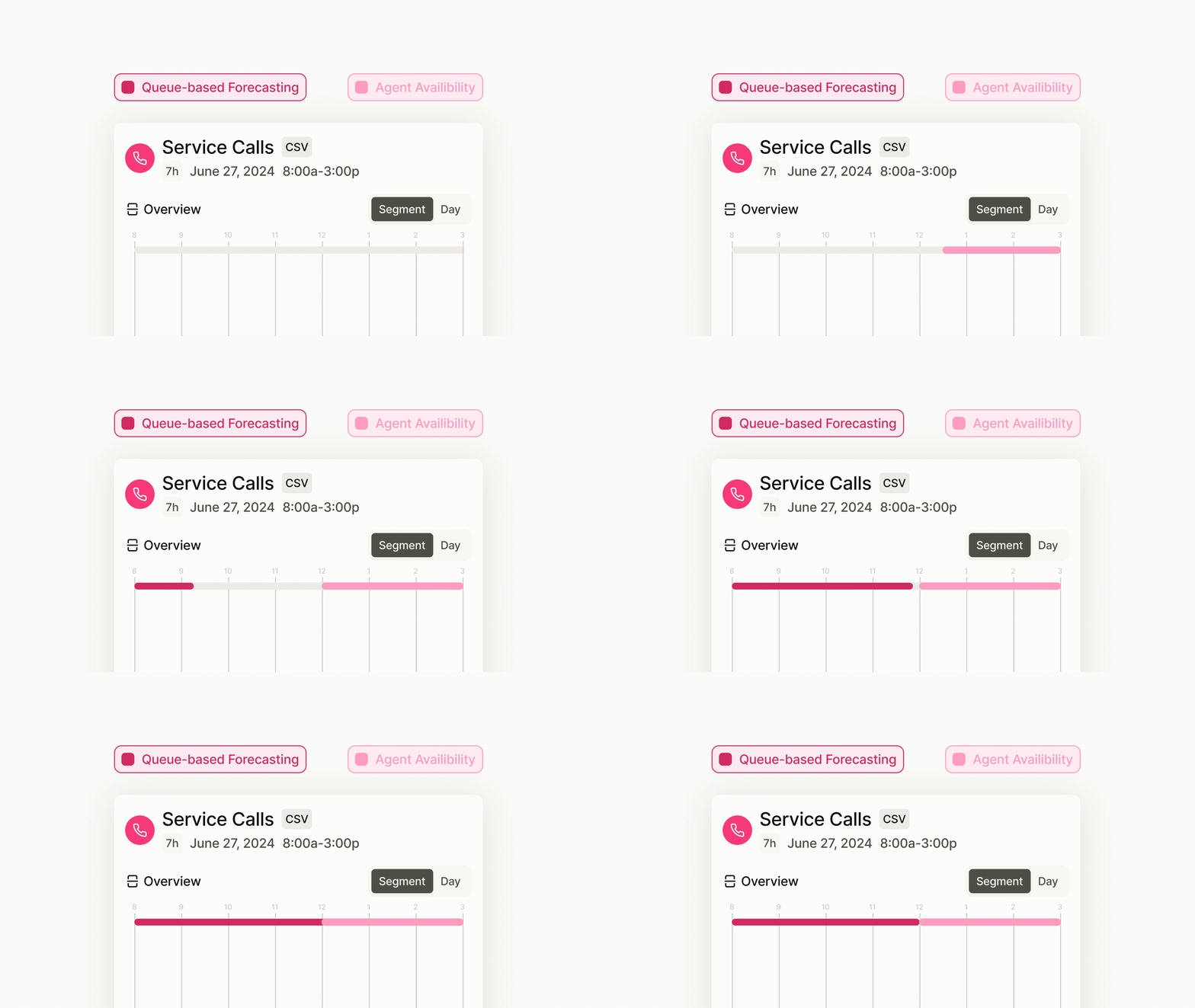


Queue-based forecasting was built for a world where one phone call meant one agent busy for one predictable stretch of time, and that world is disappearing from most contact centers. The math underneath a traditional forecast assumes work arrives as discrete contacts in a queue, each one occupying an agent from hello to goodbye, and for voice-only operations that assumption held up well enough for decades.
Activity-based planning starts from a different unit. Instead of counting contacts and staffing the queue, it models the actual activities that make up the work, the steps inside an interaction, the handling that happens across channels, and the follow-up that lands after the customer has gone quiet. When you plan around activities, an omnichannel operation stops looking like several separate queues and starts looking like one pool of work you can staff against honestly.
The reason this matters now is that the shape of the work has moved. Gartner predicts that by 2028 at least 70 percent of customers will start their service journey through a conversational AI interface, which means the phone queue is no longer the center of gravity it used to be, and a planning model that still treats voice as the main event will keep missing.
Why does queue-based forecasting break for omnichannel work?
Queue-based forecasting breaks because it assumes one contact equals one unit of work handled by one agent from start to finish, and almost nothing in digital work behaves that way. A chat agent handles two or three conversations at once. An email or a case sits open for hours and gets touched several times before it resolves. A social message might wait, then reopen when the customer replies a day later. The clean relationship between a contact and an agent-hour, the relationship Erlang math depends on, quietly falls apart.
The practical result is a forecast that looks precise and staffs the floor wrong. You plan for a channel as though each interaction consumes a tidy block of time, then reality delivers concurrency on chat, long-tail handling on cases, and a back office queue that your voice-shaped model never really saw. The gap shows up as shrink surprises and missed service levels that nobody can quite explain, because the model was answering the wrong question from the start.
What is activity-based planning, and how is it different?
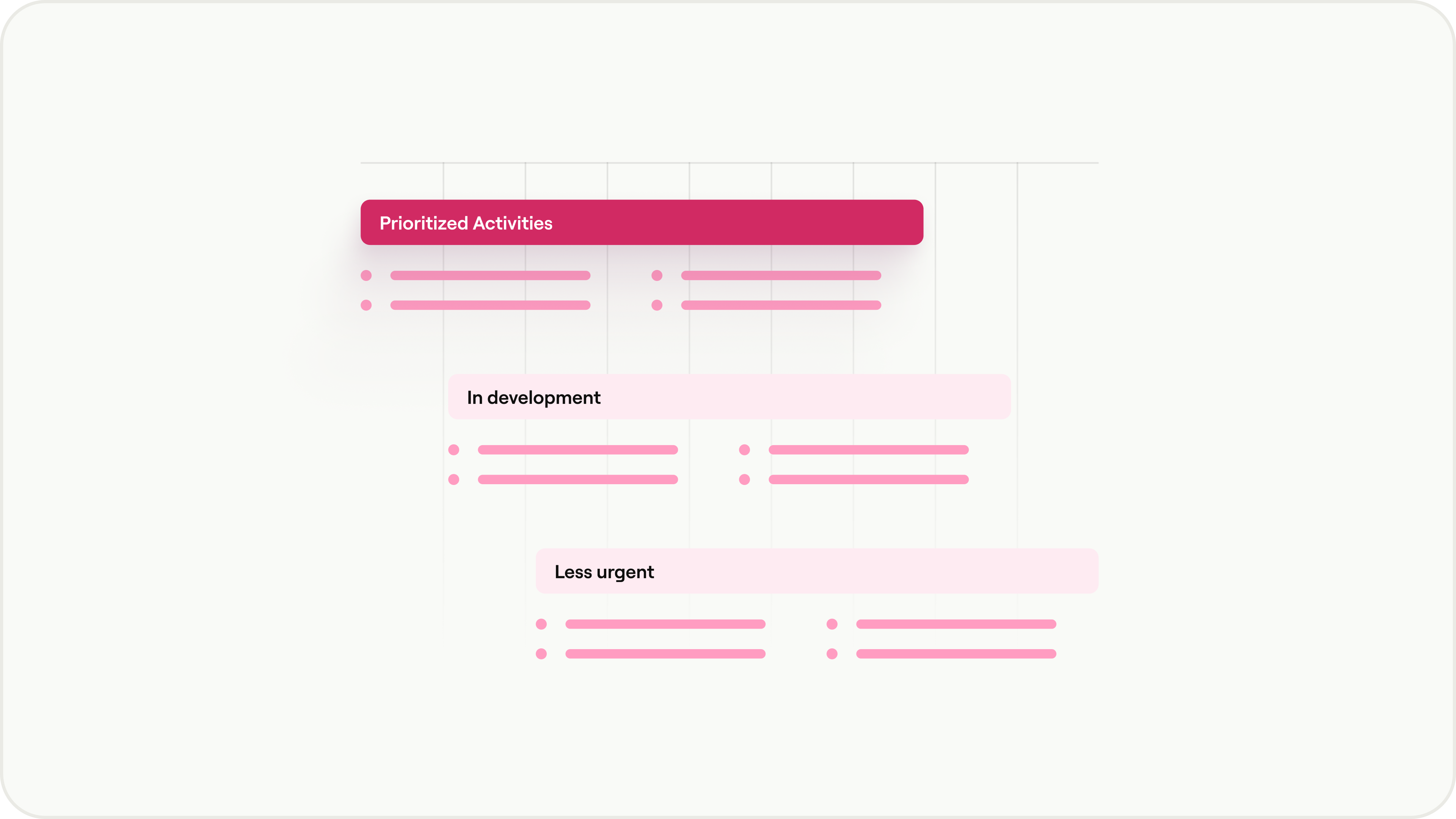
Activity-based planning models the work as a set of activities with their own volumes, handling characteristics, and concurrency, rather than treating every interaction as one uniform contact in a queue. The difference is that it plans around what agents actually do, so a chat handled three at a time, a case worked in several short touches, and a phone call handled start to finish each get modeled on their own terms instead of being forced into a single template.
Think about a billing dispute that arrives as a chat, requires a back office review, and closes with an outbound follow-up. Queue-based forecasting sees one chat contact and staffs for a few minutes of agent time. Activity-based planning sees the chat interaction, the review activity that someone has to perform, and the follow-up that lands later, and it staffs for all of the work rather than for the visible tip of it. That is the schedule intelligence that keeps multi-skill, cross-channel teams from being chronically understaffed on the work nobody counted.
How do you convert messy multichannel work into an activity model?
You convert it by breaking each type of work into its component activities, then attaching a realistic volume and handling profile to each one. Start by mapping the journey for your highest-volume work types, identify the discrete activities inside each journey, measure how long each activity actually takes and how much it varies, and note the rework rate, because the cases that bounce back and get handled twice are where a lot of hidden demand lives.
A few practical cautions from doing this work. Your existing channel mapping is probably stale, and it is worth checking who last updated it, because more than one planning team has discovered the mapping was set by someone who left in 2022 and never revisited. Handle time on digital channels needs to be measured as active handling time, not the wall-clock time a case sat open, or your model will wildly overstate demand. And concurrency assumptions deserve real scrutiny, because the difference between planning chat at two concurrent conversations and planning it at three changes your headcount materially, and the honest number is usually lower than the aspirational one.
What does activity-based planning get you that Erlang-based staffing cannot?
Activity-based planning gets you accuracy on work that does not fit a queue, and it lets you staff a multi-skill floor as one connected system instead of a stack of separate forecasts that never reconcile. Erlang math is still fine for a pure inbound voice queue, and there is no reason to throw it away where it works. It simply cannot represent concurrency, asynchronous handling, and multi-step resolution, which are now the majority of the work in a lot of operations.
The deeper payoff is that activity-based planning attacks coordination costs directly. When every channel is forecast in its own spreadsheet by its own analyst, the seams between those forecasts are where staffing goes wrong, and the hidden tax of siloed decisions gets paid in overstaffed mornings and underwater afternoons. McKinsey's 2025 State of AI research found that nearly two-thirds of organizations have not yet begun scaling AI across the enterprise, and just 39 percent report enterprise-level EBIT impact from it, which is a useful reminder that better tools do not fix a broken planning model on their own. A single activity-based model that all channels share is what turns AI-augmented planning into something that actually reconciles.
Where does AI fit in activity-based planning without taking over?
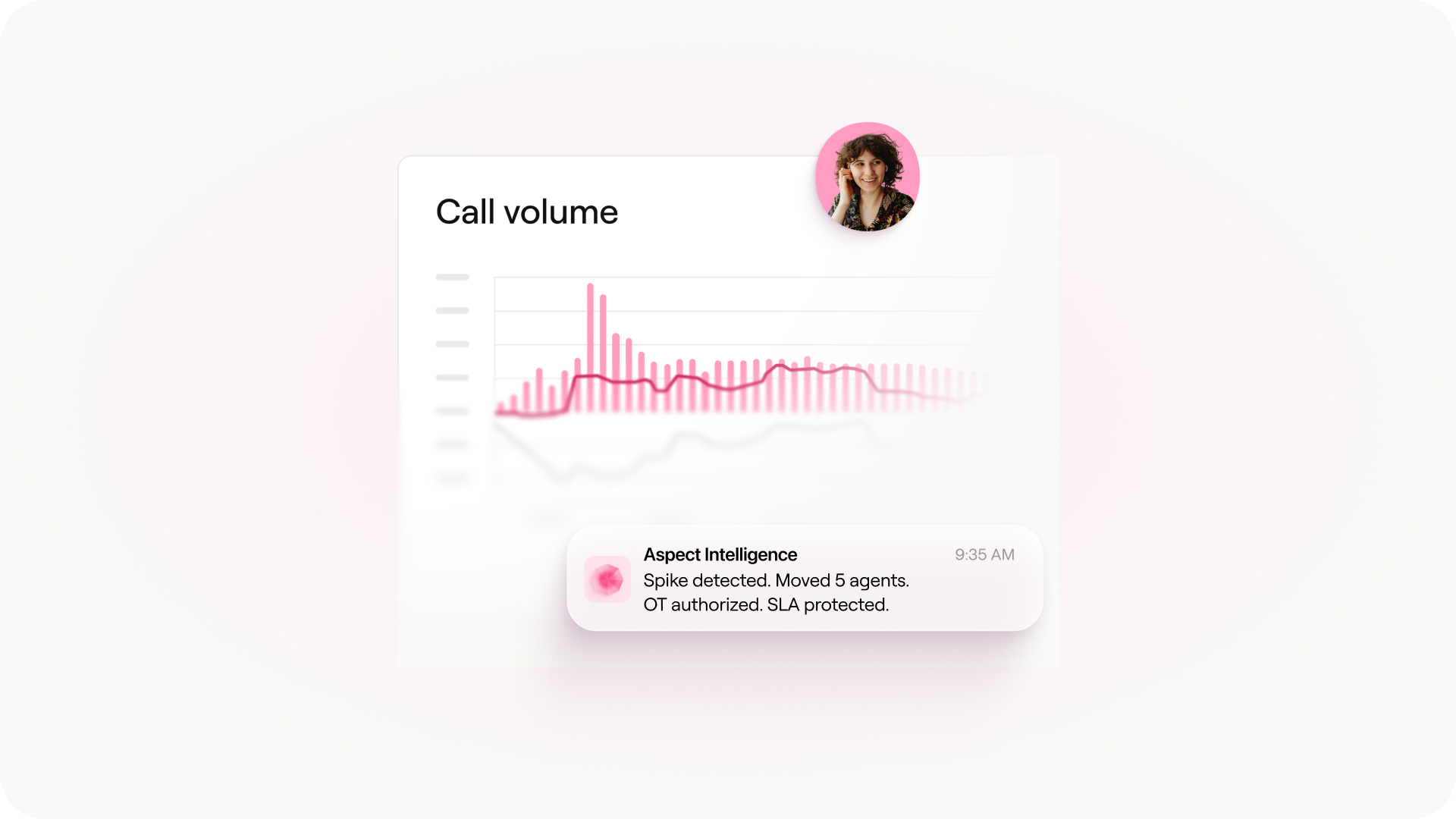
AI fits by predicting activity-level demand and re-forecasting as the day changes, while planners keep control of the assumptions and the final call. The useful application is not a black box that spits out a schedule, it is a system that learns the handling and concurrency patterns of each activity, forecasts total demand across voice, chat, email, and back office work as one pool, and updates that forecast in near real time as actuals come in.
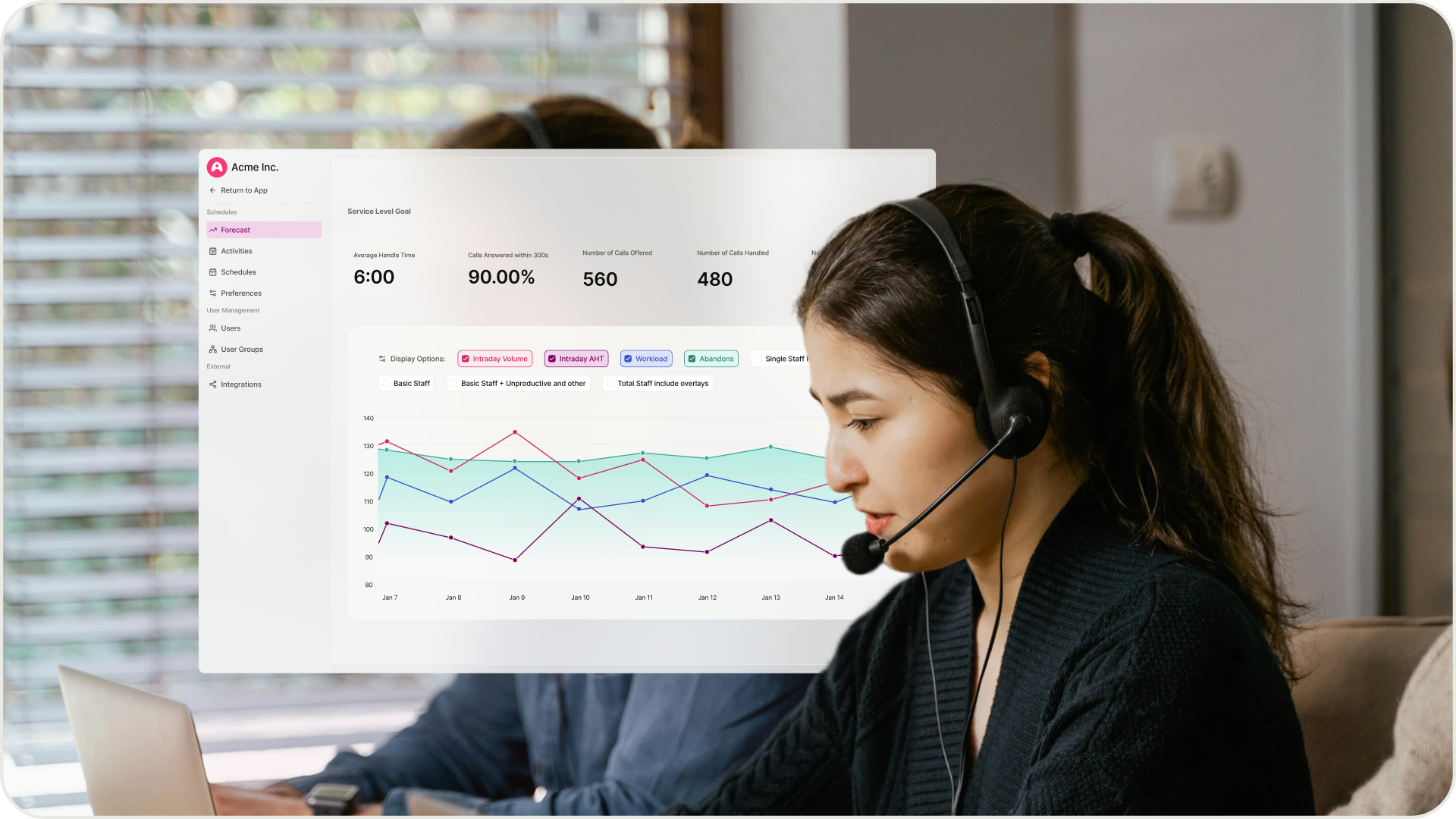
This is where Aspect is taking its forecasting roadmap, with multichannel forecasting that models voice and digital work together and real-time re-forecasting that updates predictions through the day rather than freezing them at the morning plan. The product proposes, and a planner shapes what it does, which keeps guided intelligence honest. High agent attrition makes this discipline even more valuable, since independent research from Metrigy put average contact center attrition at 31.2 percent at the end of 2024, up from 28.1 percent a year earlier, and every planning error that overworks a team on miscounted digital load feeds that number. Getting the work count right is quietly one of the better retention levers you have.
- Why does queue-based forecasting fail for chat and email?

- What is activity-based workforce planning?
- Do I have to abandon Erlang models entirely?
- How do I start building an activity-based forecast?
- Does activity-based planning improve agent retention?