


Most customers no longer rely solely on phone calls during business hours to get help. Today's connected consumers reach out through email, social media, text messages, and various other platforms—expecting fast responses and consistent experiences no matter which channel they choose.
Multi-channel contact centers meet these expectations by offering customers numerous ways to connect with support teams. This approach works especially well for companies with remote and hybrid teams, providing the flexibility modern workforces need.
The real challenge lies in adding all these new channels while keeping agents from burning out and preventing operational costs from spiraling upward. Without the right infrastructure, channel expansion can quickly overwhelm teams and budgets.
A unified workforce management system solves much of this tension by bringing scheduling, forecasting, adherence, and performance data together across every channel. The result is better resource allocation without adding overhead—and agents who can focus on delivering great service instead of juggling disconnected systems.
This article explores the importance of multi-channel communication and how organizations can build a service center that supports unification across all touchpoints, turning complexity into a competitive advantage.
What is a multi-channel contact center?
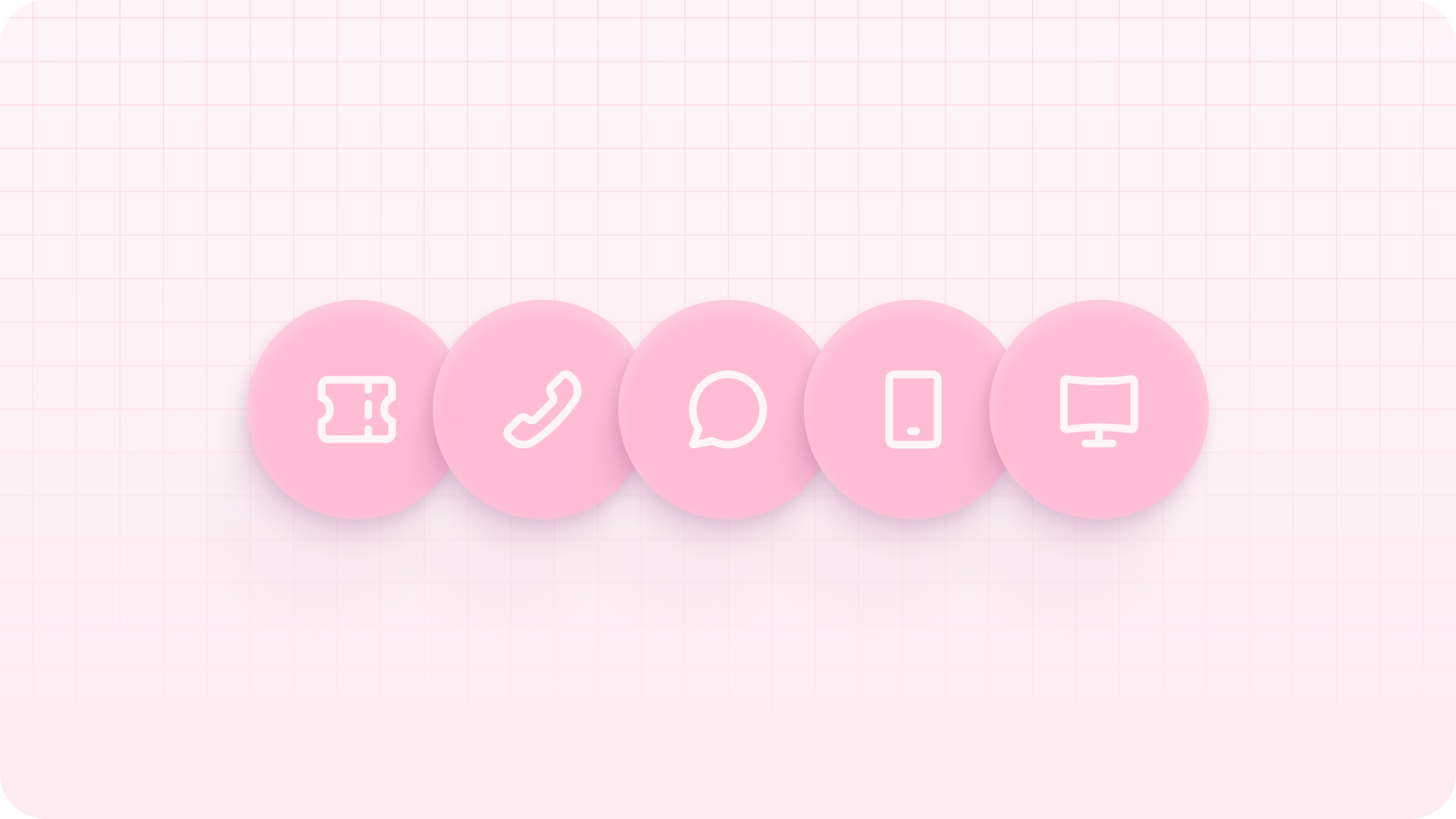
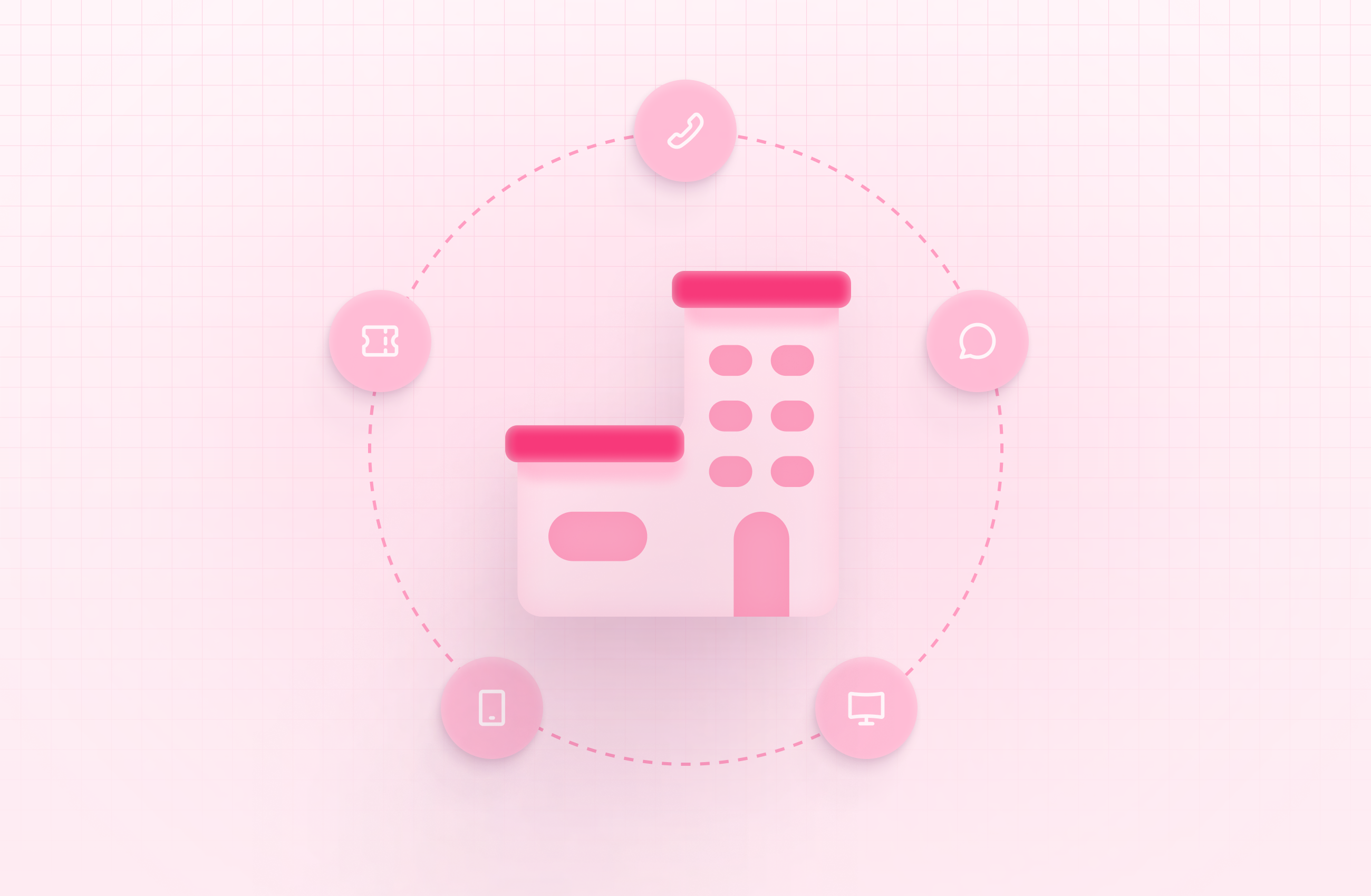
A multi-channel contact center gives customers the ability to communicate with an organization's service team through several independent channels. These communication methods typically include:
- Voice calls: Synchronous, with service-level targets typically measured in seconds or minutes. Best for urgent issues requiring real-time problem-solving.
- Email: Asynchronous with longer handle times. Ideal for complex inquiries that require detailed responses.
- Live chat: Synchronous and text-based, with shorter average sessions. Customers often multitask while chatting, making quick, clear responses essential.
- Social media: Public or private interactions where response windows are tight—complaints can go viral quickly. Brand reputation is often at stake.
- SMS: Short, mobile-first, and asynchronous. Customers tolerate slightly longer waits than live chat but still expect quick answers. Perfect for appointment reminders and status updates.
- In-app messaging: Contextual support that happens within the app, often tied to the moment of need. Customers expect near-instant replies since they're already engaged with your product.
- Web forms or ticketing portals: Fully asynchronous with acceptable longer resolution windows. Agents can batch-process tickets during quieter periods, making this channel efficient for non-urgent requests.
This structure significantly increases accessibility and convenience. Whether a customer prefers texting on their phone, messaging through social media, or sending emails, they can choose their preferred method of communication.
Yet, because each contact method acts independently, multi-channel contact centers are prone to creating “siloed” experiences, where context from one channel is not visible in another.
The lack of visibility fragments the customer journey, leading to inconsistent service quality and making it harder to manage performance across service teams.
A workforce management system can resolve these issues by coordinating resources, information, and performance across all channels, even if the channels themselves technically remain separate.
Multi-channel vs. omnichannel contact centers: Key differences and examples
Many people use multi-channel and omnichannel interchangeably because both approaches offer customer service across multiple touchpoints.
However, there is a key difference that defines how they operate:
- In a multi-channel environment, customers can choose their preferred channel, but each channel is handled independently, with separate workflows and interaction histories.
- Omnichannel also provides multiple touch points but centralizes all communication data into one unified experience. Agents can, therefore, access complete interaction histories regardless of which channel customers use.
The customer experience differs significantly between these models.
In a multi-channel setup, customers can reach service teams through the channel that fits their circumstances and preferences. Customers also benefit from specialized expertise and often faster resolution times when their issue can be solved in a single interaction. Brand perception improves when every interaction feels polished and professional.
However, if a customer needs to switch channels or continue a conversation later through a different medium, they may experience friction from having to restart the conversation.
In an omnichannel scenario, customers experience continuity and personalization across their entire service journey. They don't need to remember which channel they used previously or worry about losing their place in a conversation. This connected experience builds trust and reduces effort, particularly for customers dealing with ongoing or complicated issues.
However, implementing this level of integration requires investment in technology and training to unite disparate systems and data sources.
Both models have their place. Many companies run multi-channel successfully and deliver excellent service. Others invest in omnichannel integration because the smoother handoffs drive higher satisfaction scores and lower effort scores.
Moving from multi-channel to an omnichannel approach requires integrating systems and unifying data visibility, supported by workforce tools that manage scheduling, performance, and quality across all channels.
Aspect’s WFM supports this transition by connecting workforce data with channel activity, allowing organizations to move from siloed interactions to integrated service experiences.
Benefits of multi-channel contact centers

A multi-channel contact structure offers advantages for both the customer and organization:
- Increased accessibility: Customers can reach service teams through the channel that fits their circumstances and preferences.
- Inclusivity: Different customer segments may strongly prefer one communication channel over another. By providing multiple options, organizations don’t risk excluding anyone.
- Higher satisfaction: Customers who can easily reach a service agent experience less frustration and friction.
- Agent flexibility: Teams trained across channels are agile and can adapt to shifting customer expectations and service demands.
- Better load distribution: Different channels experience demand peaks at different times. Organizations can distribute workloads accordingly and improve efficiency.
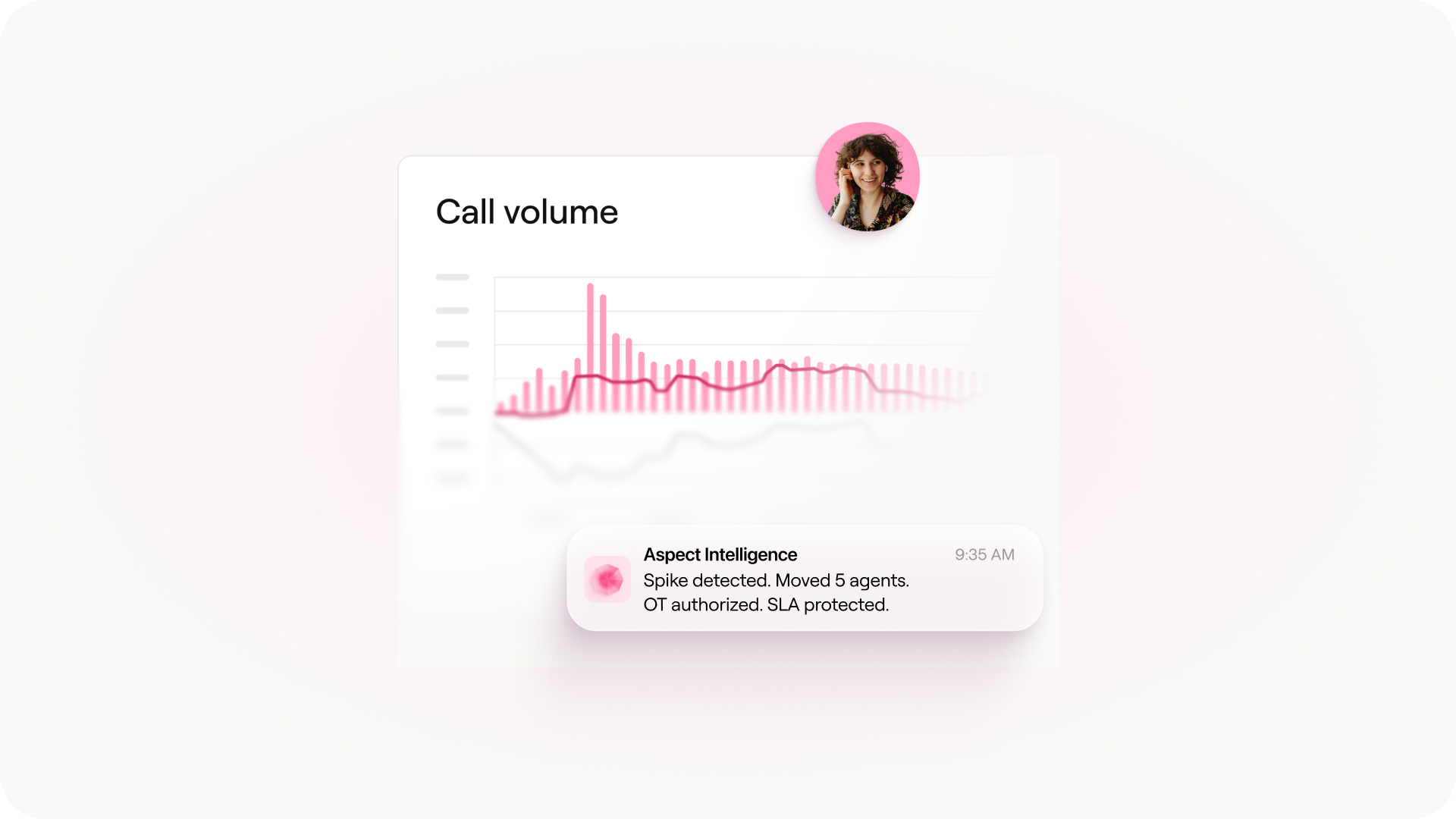
Intelligent forecasting and dynamic scheduling play a central role in a multi-channel environment.
Forecasting helps managers anticipate demand shifts before they happen, while dynamic scheduling uses those predictions to adjust shifts, breaks, and skill assignments in real time.
This coordination keeps response times consistent, prevents bottlenecks, and controls costs by deploying resources only where and when they're needed.
Aspect analyzes historical patterns, seasonal trends, and real-time insights across all channels. This data helps organizations match demand with sufficient resources and maintain consistent service levels, even during volatile or unpredictable periods.
Learn more: Call center routing sets: Optimizing customer service efficiency.
Emerging challenges of multi-channel contact centers in 2026

Despite the advantages of multi-channel contact centers, the increased complexity presents challenges that must be addressed.
- Fragmented data: The more touchpoints an organization introduces, the more fragmented its data becomes. When information exists in silos, teams struggle to track key metrics like performance and adherence. Understanding customer behavior and anticipating staffing needs becomes increasingly difficult.
- Agent burnout from constant context-switching: Agents trained across multiple channels spend their day switching between phone, chat, email, and social media. This constant context-switching drains energy faster than working on a single channel and leads to mistakes, slower handle times, and decreased job satisfaction.
- Maintaining service consistency across channels: Each communication channel has its own service level agreement (SLA), queue structure, and workflow. Without real-time visibility into each, maintaining service consistency becomes harder, placing extra pressure on workforce operations.
- Complex forecasting and intraday management: Voice might spike in the morning, chat in the afternoon, and email in the evening. Predicting the right mix of skills minute by minute is harder than managing a single-channel operation.
These challenges are driving demand for AI-driven insights and unified workforce visibility—tools that will define contact center operations in 2026 and beyond.
AI analyzes patterns across voice, chat, email, social media, and messaging to produce forecasts that outperform traditional channel-by-channel methods.
Meanwhile, a unified workforce platform consolidates adherence, handle times, service levels, and quality scores into a single view. Leaders can quickly identify which channel is falling behind, which agents are overextended, and where to shift resources before customers notice.
This approach eliminates guesswork, reduces overtime, prevents burnout, and maintains consistent performance without requiring companies to overstaff.
Explore the top WFM trends shaping 2026 and discover how AI, automation, and unified platforms are transforming contact center operations.
Best practices managing a multi-channel contact center
Organizations managing multi-channel operations can strengthen their strategy with these practices:
- Integrate existing systems: Use a unified workforce and engagement tool to prevent silos and ensure full visibility across all channels.
- Train for flexibility: Train service teams to work across all channels. Multi-skill proficiency closes coverage gaps and creates an agile, resilient workforce.
- Forecast with data: Understand each channel's unique demand cycles and volume trends. Align staffing and scheduling with these workload patterns.
- Maintain consistent quality: Use unified performance dashboards and standardized evaluation criteria to track metrics across all touchpoints.
- Empower agents: Provide clear workflows, self-service tools, transparent KPIs, and real-time performance visibility. Use workforce tools that support flexible team scheduling and collaboration to maintain smooth operations.
The future of multi-channel contact centers: From fragmented to connected engagement
Multi-channel operations look very different today than they did just a few years ago.
Automation and agent-assist tools are spreading fast. Research predicts that AI agents will work independently to solve 80% of routine customer inquiries by 2029 without human intervention.
Chatbots, automated email routing, and real-time suggestion engines already handle routine queries, freeing agents to focus on complex or emotional conversations.
Customer service is also moving beyond disconnected channels toward integrated engagement ecosystems. Customer expectations continue to evolve toward seamless, personalized interactions regardless of how they choose to connect.
These environments let customer interactions, workforce data, and AI work together to orchestrate the experience from start to finish. A chatbot answers the first message, flags sentiment if the customer grows upset, routes to the best available agent with full history attached, and suggests replies in real time.
The result? Future-ready contact centers with unified interaction data and real-time workforce insights. Leaders can shift from reactive to proactive operations that deliver consistency across every touchpoint.
Why choose Aspect for multi-channel contact center success in 2026
Aspect provides a unified approach to workforce optimization and multi-channel engagement, helping teams manage complex communication structures without compromising service quality.
Key strengths include:
- AI forecasting that anticipates volume across every channel
- Dynamic scheduling that aligns skills and resources with workload
- Real-time adherence for consistent service delivery
- Unified performance management to support coaching and quality improvement
- Agent empowerment tools that strengthen engagement
Aspect turns operational complexity into a strategic advantage. AI-driven forecasting tailors predictions to digital and voice channels. Flexible scheduling adapts in real time. Unified performance management brings all channel insights into one view.
Real-time analytics and intraday management enable teams to respond faster, improve service levels, and deliver consistent, high-quality experiences—no matter where the conversation begins.
Multi-channel success starts with tools that empower your workforce, and Aspect gives contact centers the foundation they need to thrive.
Your customers expect great service on every channel. Take control of your contact center's performance and discover what Aspect's WFM platform can do for your team.
- What channels are included in a multi-channel contact center?

- How does AI improve multi-channel contact center performance?
- Why is workforce management important for multi-channel operations?
- How can Aspect help unify customer and workforce data?